
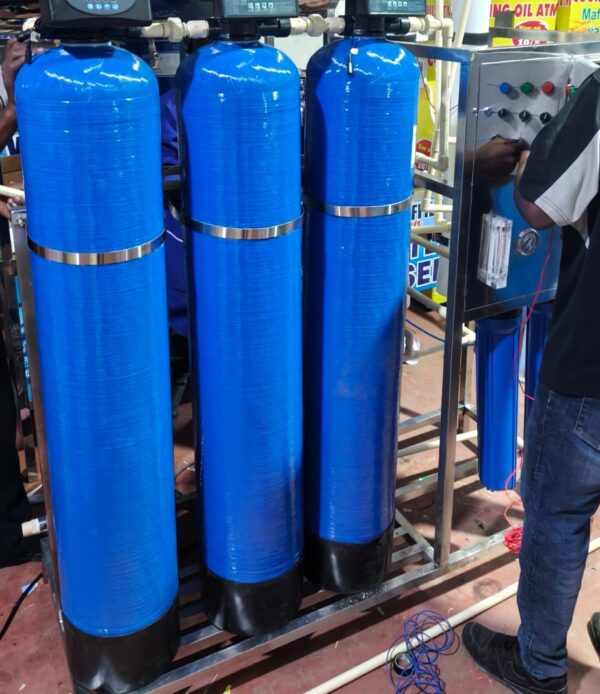
What Is Water Purification and Why Investing in a Water Purification Machine Matters?
Access to safe drinking water is one of the most fundamental health requirements — yet most people have no idea what is actually in the water they drink every day. Understanding what is water purification and why investing in a water purification machine matters could be the single most impactful health decision you make this year.
Water purification refers to the series of physical, chemical, and biological processes used to remove harmful contaminants from water, making it safe for drinking, cooking, industrial use, and more. Purification can happen at a large municipal level — where city water authorities treat millions of litres before piping them to homes — or at a smaller, household and commercial level using machines like reverse osmosis (RO) systems.
In this article, we break down exactly what purification removes from your water, whether purifying tap water is necessary, and why a growing number of Kenyan homes and businesses are choosing to invest in high-quality water purification machines from Gditech.
What Is Water Purification?
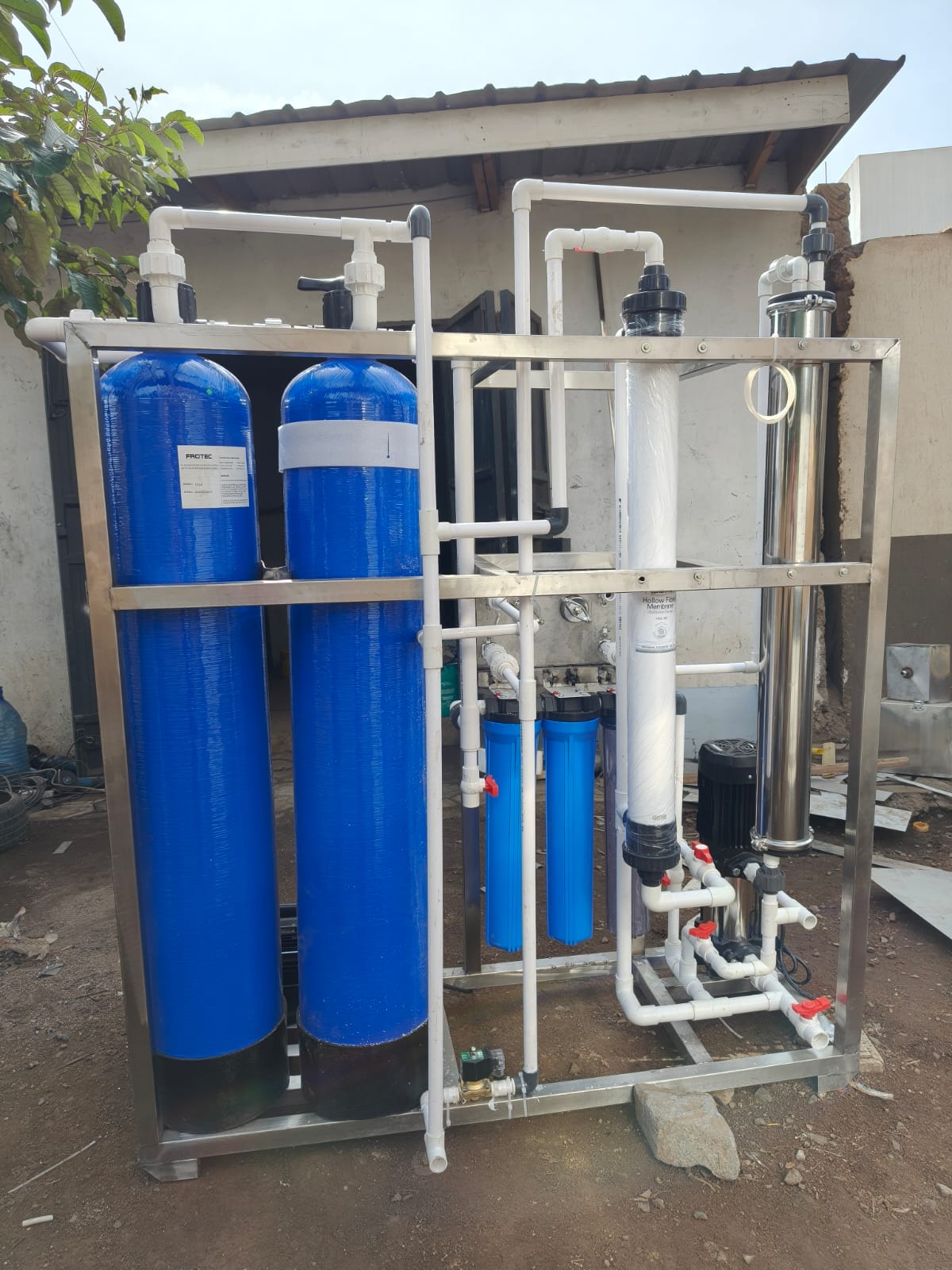 At its core, water purification is the process of eliminating unwanted biological, chemical, and physical contaminants from water. What makes this process so important is just how wide the contamination spectrum is — and how invisible most of it is to the human eye.
Purified water is not only essential for safe drinking. It is the backbone of pharmaceutical manufacturing, food processing, agriculture, chemical production, and dozens of other industries where water quality directly determines product safety and output quality.
Pro Tip: Not all purified water is created equal. Municipal treatment removes some contaminants but rarely all — and the treatment process itself can introduce disinfection by-products. A home or commercial RO system adds an essential extra layer of protection.
What Contaminants Does Water Purification Remove?
The types of contaminants found in untreated or inadequately treated water fall into three broad categories: biological, chemical, and mineral. Here is a closer look at each — and why they matter.
Biological Contaminants
These are perhaps the most immediately dangerous. Parasites, viruses, bacteria, protozoa, algae, and fungi can all be present in untreated water sources. Specific threats include:
- Viruses such as Hepatitis A, poliovirus, Norwalk, adenovirus, and rotavirus
- Bacteria including E. coli, Typhoid, Cholera, and Legionella — often introduced through human or animal waste, sewage leaks, or failing septic systems
- Parasites like Giardia and Cryptosporidium, which are highly resistant to conventional chlorine treatment
Chemical Contaminants
Traces of chemicals enter water supplies from industrial activity, agricultural runoff, aging pipes, and even from the treatment process itself. These fall into three sub-categories:
Inorganic Contaminants (IOCs) — including arsenic, nitrate, fluoride, mercury, chromium, cadmium, selenium, barium, and cyanide.
Volatile Organic Contaminants (VOCs) — derived from solvents, fuels, paints, cleaners, and disinfection by-products. Common examples include benzene, chlorobenzene, toluene, carbon tetrachloride, trihalomethanes (THMs) like chloroform, and methyl tert-butyl ether (MtBE). Notably, chloroform can form when chlorine disinfectant reacts with natural organic matter in water.
Synthetic Organic Contaminants (SOCs) — man-made chemicals used in industrial and agricultural applications. These include PFAS (found in non-stick coatings, firefighting foams, and paints), glyphosate, PCBs, and dioxins. PFAS in particular has been identified across community water systems worldwide.
Minerals and Hard Water
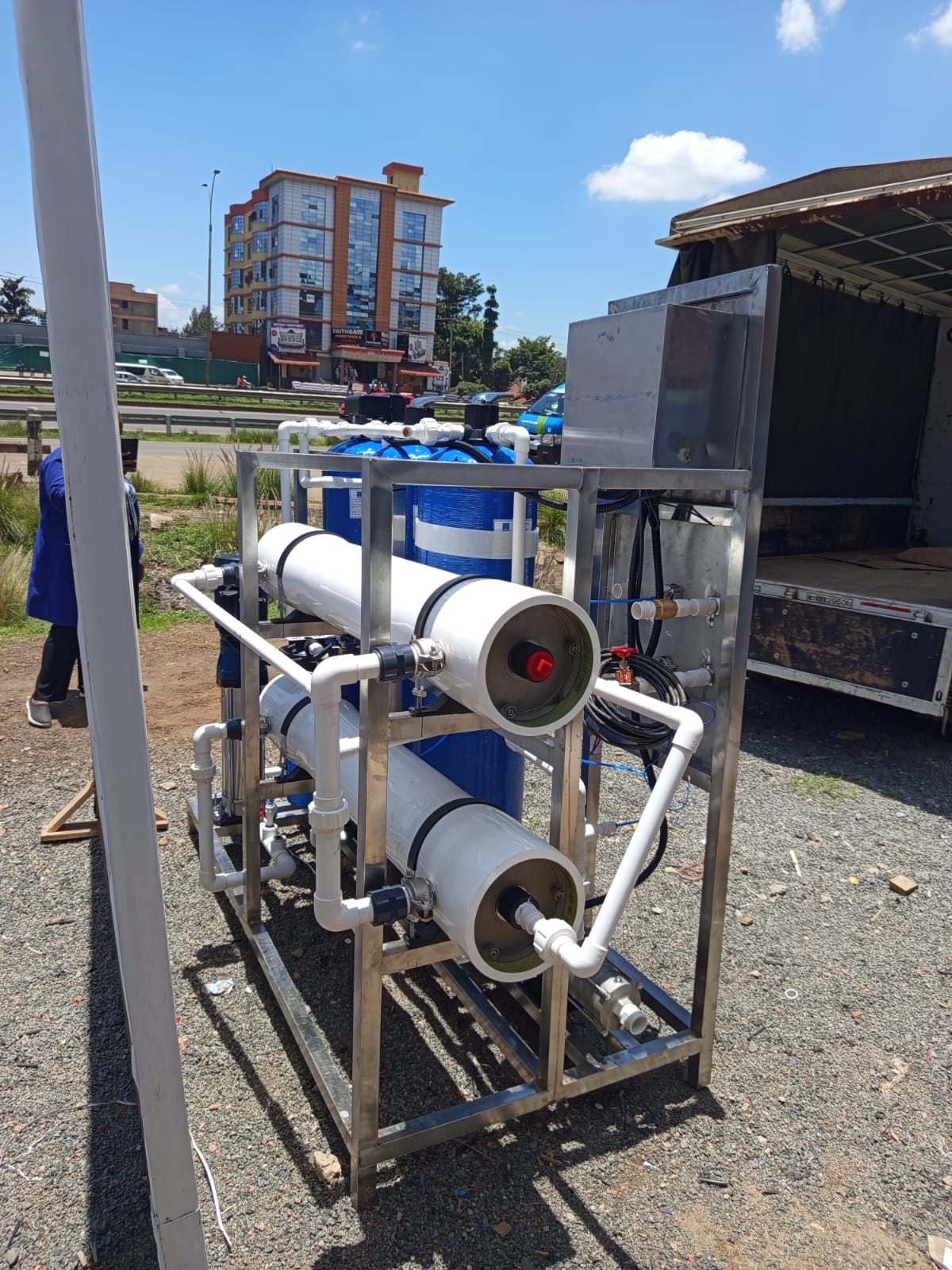 Hard water contains high concentrations of dissolved minerals — primarily calcium carbonate and magnesium — picked up as water percolates through rock and soil. While these minerals are not always harmful to consume, they cause significant problems:
- Scale buildup on pipes, fixtures, water heaters, and appliances, reducing efficiency and lifespan
- Dull, brittle hair due to mineral deposits coating hair follicles and blocking moisture absorption
- Soap scum — a stubborn whitish residue that forms wherever hard water meets soap
- Industrial damage — scaling in commercial equipment dramatically increases maintenance costs and downtime
Pro Tip: In many parts of Kenya, borehole water is significantly harder than piped water. If you notice white residue on your dishes or taps, your water hardness levels likely exceed safe thresholds for appliances and skin health.
Here is a quick reference overview of common contaminants and how reverse osmosis addresses them:
| Contaminant Type | Examples | Risk Level | Removed by RO? |
| Biological | E. coli, Giardia, Hepatitis A | High | Yes |
| Inorganic Chemicals (IOCs) | Arsenic, Fluoride, Mercury | High | Yes |
| Volatile Organics (VOCs) | Chloroform, Benzene, MtBE | Moderate–High | Yes |
| Synthetic Organics (SOCs) | PFAS, Glyphosate, PCBs | Moderate–High | Yes |
| Minerals / Hard Water | Calcium, Magnesium, Lead | Low–Moderate | Yes |
Should You Purify Tap Water? What Water Purification Machines Remove That Municipal Treatment Misses
 Many people assume that because tap water has already been treated, it is completely safe. The reality is more nuanced. Municipal treatment systems remove many contaminants but cannot guarantee zero presence of others — especially in real time. Water quality violations are more common than reported and difficult to detect mid-supply.
Beyond that, the chlorine added during municipal treatment — while effective against many microbes — reacts with organic material to form trihalomethanes, which are potentially carcinogenic. Chlorine also imparts an unpleasant taste and smell that many people find off-putting.
Bottled water is another option, but it is prohibitively expensive at scale, creates significant plastic waste, and is not always more reliably pure than filtered tap water. The most practical and cost-effective solution for Kenyan homes and businesses is a reverse osmosis (RO) water purification machine — a system that applies multi-stage filtration to produce consistently clean, great-tasting water on demand.
Pro Tip: Reverse osmosis systems outperform distillation and standard carbon filters in both contaminant removal range and cost-per-litre over time. For water vending businesses in Kenya, they are the gold standard.
Why Invest in a Water Purification Machine?
Whether you are a homeowner focused on protecting your family’s health or an entrepreneur running a water vending business, investing in a water purification machine offers clear long-term benefits. Below are five key reasons why this investment makes practical and financial sense.
- Superior Health Protection
A certified reverse osmosis water purification machine removes up to 99% of harmful contaminants, including bacteria, heavy metals, chemicals, and parasites. This level of treatment goes far beyond what untreated municipal or untreated borehole water can provide. Consistently drinking contaminated water can contribute to long-term health problems and increased medical expenses. Clean, purified water helps protect families, employees, and customers from waterborne diseases. Investing in a purification system is ultimately an investment in long-term health and safety. - Long-term Cost Savings
Although a water purification machine requires an upfront investment, it significantly reduces ongoing expenses over time. Households that regularly buy bottled water or businesses that repair equipment damaged by hard water often spend more in the long run. Purified water helps protect plumbing systems, appliances, and industrial equipment from scale buildup and damage. It also reduces medical costs associated with unsafe drinking water. In many cases, a quality purification system pays for itself within a relatively short period. - Reliable Water Quality on Demand
Owning a water purification machine ensures consistent access to clean and safe drinking water at any time. Water quality from municipal or borehole sources can vary due to seasonal changes, infrastructure issues, or contamination events. A properly maintained purification system delivers stable water quality regardless of the source. This reliability is especially important for businesses that depend on customer trust and product consistency. Consistent water quality supports both health and operational stability. - Business and Revenue Opportunity
The demand for safe drinking water in Kenya continues to grow across residential, commercial, and institutional sectors. This demand creates a strong business opportunity for entrepreneurs investing in commercial water purification systems. Water vending kiosks and bulk water supply businesses can generate steady daily income when located in high-demand areas. Schools, hospitals, restaurants, and residential estates often require reliable purified water suppliers. With the right equipment and location, a water purification machine can become a profitable income-generating asset. - Environmental Responsibility
Using a water purification machine helps reduce dependence on single-use plastic water bottles. Every litre of purified water produced locally reduces the need for packaged water transportation and disposal. Households that switch from bottled water can eliminate thousands of plastic bottles each year. Businesses that supply purified water in refillable containers significantly reduce plastic waste at scale. Investing in water purification supports both environmental sustainability and responsible resource management.
Why Buy Water Purifying Machines from Gditech?
When it comes to high-quality water purification machines in Kenya, Gditech stands out as a reliable and trusted provider. Here is why thousands of Kenyan homes, businesses, and institutions choose Gditech RO systems: 
- Kenya’s Most Trusted RO System Manufacturer
Gditech designs reverse osmosis water purifiers specifically for Kenyan water conditions rather than adapting systems built for foreign markets. Local water sources often contain high hardness, fluoride, salinity, or heavy chlorination, which require specialized treatment solutions. Gditech systems are engineered to handle these challenges reliably and efficiently. This localized design approach helps extend equipment lifespan and maintain consistent performance. As a result, customers gain confidence that their investment will deliver dependable long-term value. - Best-in-Class Water Quality Output
Gditech RO systems are built to remove bacteria, viruses, heavy metals, fluoride, chlorine, and dissolved solids to safe drinking levels. The machines are designed to meet and exceed both WHO guidelines and Kenya Bureau of Standards (KEBS) requirements. High-quality membranes ensure consistently low TDS and clean-tasting water. This ensures water that is not only safe but also reliable for daily consumption. Choosing Gditech means choosing verified water purity you can trust. - Comprehensive Range for Every Application
Gditech offers water purification systems suitable for homes, businesses, and large institutions. Residential units provide convenient under-sink solutions for safe drinking water at home. Commercial systems support water kiosks, schools, restaurants, and small hotels with higher daily production capacity. Industrial-grade machines serve hospitals, factories, and bulk water supply operations. This wide product range ensures there is a suitable solution for every water treatment need and budget. - Unmatched After-Sales Support
Gditech provides professional installation to ensure each system operates correctly from the start. Customers also receive practical training on system operation and basic maintenance. Scheduled servicing and access to genuine spare parts help maintain consistent performance. Responsive technical support minimizes downtime and protects water supply reliability. This strong after-sales service ensures long-term peace of mind for customers. - Affordable Pricing Without Compromising Quality
Gditech focuses on making safe water accessible without sacrificing product quality. Efficient local manufacturing and streamlined operations help keep prices competitive. The company maintains high standards in components, filtration media, and system design. This approach allows customers to enjoy reliable purification at a reasonable cost. With Gditech, affordability and quality go hand in hand.
Conclusion: clean water is an investment, not an expense- what is water purification and why investing in a water purification machine matters
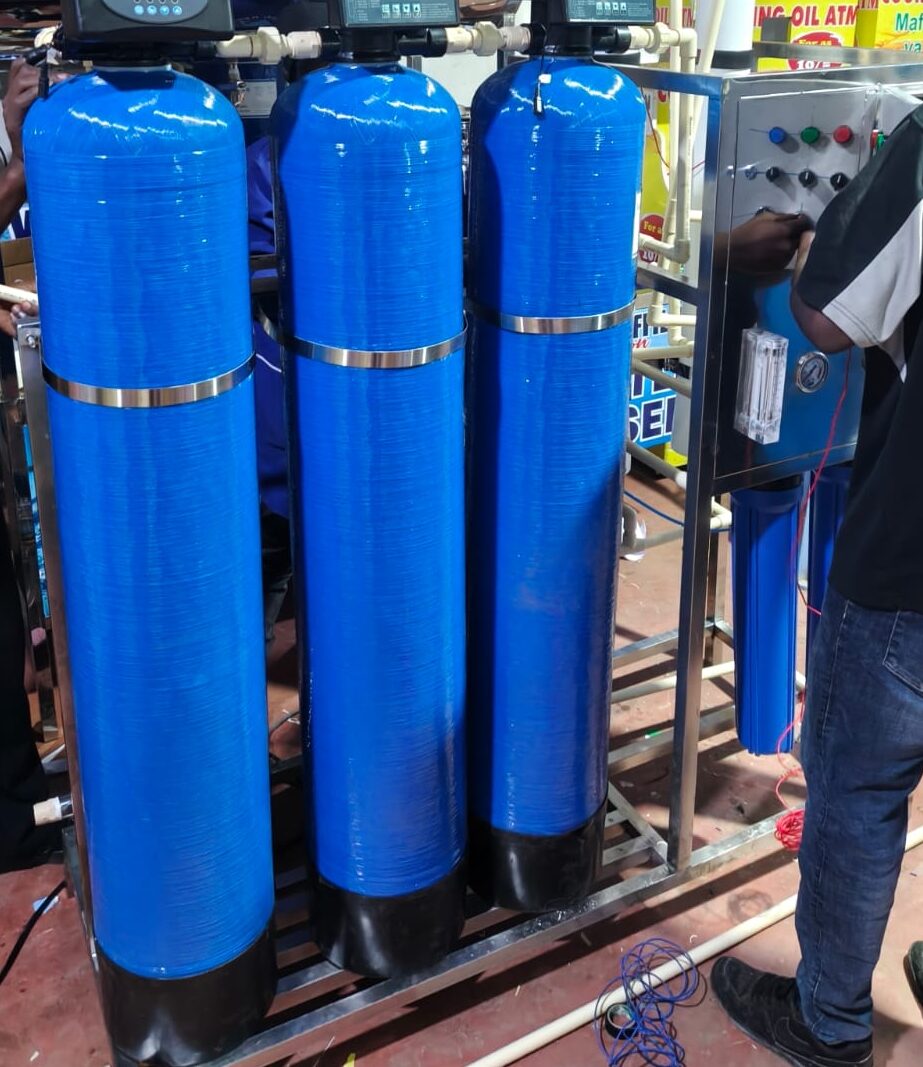 Understanding what water purification is — and why it matters — is the first step toward making a decision that protects your health, supports your business, and serves your community. Whether you are dealing with biological threats like E. coli and Giardia, chemical hazards like PFAS and chlorine by-products, or the practical problems of hard water scaling, a well-chosen water purification machine addresses all of these at once.
Tap water, even when treated by municipal systems, is not a guarantee of purity. The intelligent choice — for families, entrepreneurs, and institutions alike — is to take water quality into your own hands with a certified reverse osmosis system. And in Kenya, that means buying from Gditech.
Gditech’s RO systems are compact enough for under-sink home installation, powerful enough for commercial water vending operations, and backed by local expertise you will not find from any imported brand. When you invest in a Gditech water purification machine, you are not just buying equipment — you are investing in a healthier, more self-sufficient future.
Ready to Invest in Clean Water? Get in touch with us today to place your order
Clean water is not a luxury — it is a necessity. And the people of Kenya deserve access to it without compromise.
Gditech manufactures the best reverse osmosis water purifiers in Kenya — trusted by homes, water vendors, schools, hospitals, and commercial operations across the country. Whether you need a compact home unit or a high-volume commercial purifier, we have the right solution, the technical expertise to install it right, and the after-sales commitment to keep it running.
Contact Gditech today to get a quote, request a demo, or speak with one of our water treatment experts. Your clean water solution is one call away.
To order, you can reach us on:
- Phone Call: +254 715 01 45 10
- WhatsApp: +254 715 01 45 10
- Email: gditech2019@gmail.com, info@gditech.co.ke
- Fill out our Contact Us Form.
Visit Our Branches
For those who prefer a face-to-face interaction, we welcome you to visit our branches located strategically in Kenya:
- Ruiru Branch:Find us Next to Total Petrol Station- Kihunguro, Ruiru Kenya – Thika Road, where our dedicated team is ready to assist you.
- Eldoret Branch:Visit our Eldoret branch us at Rehema Complex, opposite Japara Ltd., along Oloo Street in Eldoret. Our branch staff will provide you with personalized guidance and support.
What is water purification and why investing in a water purification machine matters
Frequently Asked Questions (FAQ)
- What is water purification?
Water purification is the process of removing biological, chemical, and physical contaminants from water to make it safe for drinking, cooking, or industrial use. Purification techniques include reverse osmosis, UV disinfection, activated carbon filtration, and chlorination. - Why should I invest in a water purification machine?
A water purification machine provides consistent access to clean, contaminant-free water on demand. It removes pathogens, heavy metals, chemicals, and minerals that standard municipal treatment may miss — protecting your health, reducing long-term costs compared to bottled water, and supporting water vending business models. - What does a reverse osmosis (RO) system remove?
Reverse osmosis systems remove up to 99% of dissolved contaminants, including bacteria, viruses, heavy metals (lead, arsenic, mercury), fluoride, nitrates, chlorine and its by-products (THMs), PFAS, and dissolved minerals responsible for hard water. - Is purified water safe to drink every day?
Yes. Drinking purified water is safe and beneficial. Purification removes harmful contaminants while leaving water neutral and clean. For those concerned about mineral loss, a remineralisation filter can be added to any RO system. - Where can I buy high-quality water purification machines in Kenya?
Gditech is Kenya’s leading manufacturer and supplier of high-quality water purification machines, including residential RO systems, commercial water purifiers, and industrial-grade units for vending and institutional use. Contact Gditech directly for pricing and specifications. - What makes Gditech RO systems the best in Kenya?
Gditech designs its reverse osmosis water purifiers specifically for Kenyan water conditions — including high-hardness borehole water and heavily chlorinated municipal supply. Combined with KEBS-aligned quality standards, competitive pricing, and full after-sales support, Gditech RO systems offer unmatched value for Kenyan buyers. - Can a water purification machine support a water vending business?
Absolutely. Commercial water purification machines from Gditech are specifically built for high-volume, continuous operation. They are among the best water purifiers for water vending businesses in Kenya, delivering consistent output quality that keeps customers coming back.


