
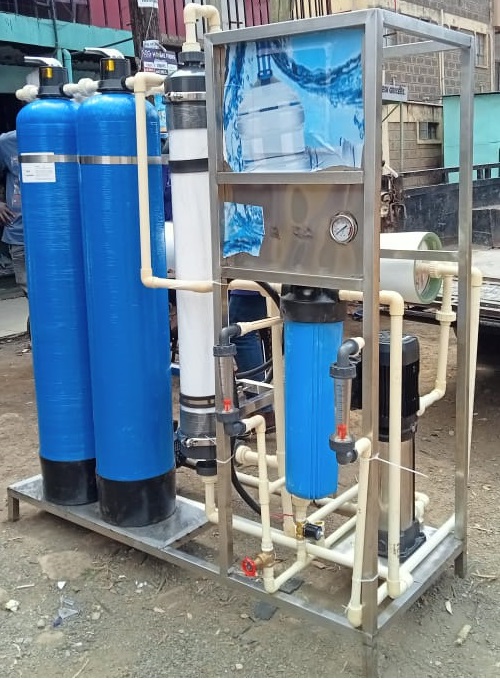
Water Purification Machine Cost in Kenya: How Much Does a Water Purifier Cost?
Access to clean, safe drinking water is no longer a luxury in Kenya. Whether you rely on borehole, river, well, or municipal supply, investing in a purification system is one of the most practical long-term decisions you can make. But what is the real water purification machine cost in Kenya? And more importantly, how much does a water purifier cost for your specific needs?
This detailed guide breaks down pricing, key cost factors, capacity options, and what to consider before buying — so you can make a confident, informed decision.
How Much Does a Water Purifier Cost in Kenya?
If you’re wondering, how much does a water purifier cost, the answer depends on capacity, water quality, and installation requirements.
Here’s a general pricing guide for commercial and high-capacity systems in Kenya:
Gditech Water Purification Machines Prices (KES)
| Capacity (Litres per Hour) | Price (KES) |
| 125 L/H | 180,000 |
| 250 L/H | 280,000 |
| 500 L/H | 350,000 |
| 1000 L/H | 580,000 |
| 2000 L/H | 950,000 |
For residential installations, a complete domestic RO setup typically ranges between KSh 100,000 to KSh 150,000, depending on site conditions and water quality.
These figures reflect average Gditech water purification machines prices, but final costs vary based on several technical factors explained below.
What Determines Water Purification Machine Cost in Kenya?
 Understanding the cost drivers helps you avoid overpaying or buying an underpowered system.
- Source of Water
Water chemistry is the single biggest pricing factor.
- Borehole water often contains high TDS (Total Dissolved Solids), iron, or hardness. It requires multi-stage filtration and higher-pressure membranes.
- Municipal water usually needs lighter treatment.
- River or well water may require additional sediment and biological filtration.
Systems designed for high-TDS borehole water will cost more due to stronger membranes and pre-treatment components.
- Output Capacity
The higher the litres per hour (LPH), the higher the investment.
For example:
- A 125 L/H system suits small offices or households.
- A 500–1000 L/H system works for institutions or light commercial use.
- A 2000 L/H system supports water bottling or large-scale production.
Capacity directly affects pump size, membrane count, storage requirements, and electrical components.
- Installation Distance & Site Conditions
If the water source is far from the installation point, additional piping, pumps, or civil work may be required. These factors increase overall project cost.
A proper site assessment ensures accurate budgeting.
- Labor & Plumbing Modifications
Some sites require:
- Plumbing adjustments
- Electrical wiring
- Tank installation
- Pressure regulation
Labor complexity influences final pricing.
What to Consider Before Buying a Water Purification Machine
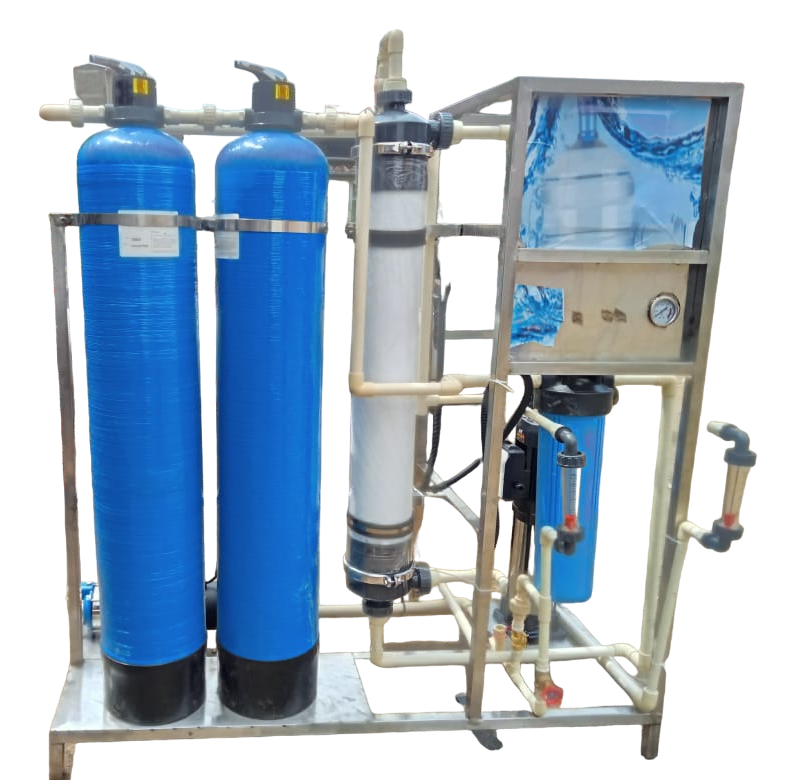 Before purchasing, evaluate these practical factors.
Budget vs Long-Term Value
Cheaper systems may compromise membrane quality, pump durability, or filtration efficiency. Focus on value rather than just upfront cost.
A properly built system reduces:
- Frequent breakdowns
- High maintenance expenses
- Water wastage
Water Testing
Professional water analysis determines:
- TDS levels
- Hardness
- Iron content
- Bacterial contamination
This prevents under-specification or over-spending.
Daily Water Demand
Estimate your daily consumption:
- Household: 200–500 litres/day
- Small business: 500–2000 litres/day
- Manufacturing: 2000+ litres/day
Your daily need determines ideal system capacity.
Warranty & Quality Assurance
Always confirm:
- At least 1-year warranty
- Availability of spare parts
- Technical support
A reputable supplier provides both warranty and performance assurance.
After-Sales Support
Reverse osmosis systems require:
- Filter replacement
- Membrane servicing
- Regular maintenance
Choose a supplier offering ongoing support.
The Best Water Purification Machines to Buy in Kenya

When evaluating the best water purification machines to buy in Kenya, focus on:
- Multi-stage filtration (sediment + carbon + RO membrane)
- High-quality pressure pumps
- Durable stainless steel frames
- KEBS-compliant components
- Reliable post-installation service
Gditech Reverse Osmosis Water Purifiers
One of the trusted options in the market is Gditech reverse osmosis water purifiers, designed for Kenyan water conditions.
Their systems are engineered to:
- Handle high-TDS borehole water
- Maintain stable pressure performance
- Deliver consistent purification quality
Gditech RO Systems for Commercial Use
For institutions and water businesses, Gditech RO systems are available in scalable capacities from 125 L/H to 2000 L/H.
These systems are suitable for:
- Schools
- Hospitals
- Water refilling stations
- Manufacturing plants
- Hospitality facilities
They are built using new, high-grade components to ensure durability and efficiency.
Where to Buy Commercial Water Purifiers in Kenya
If you’re searching for where to buy commercial water purifiers in Kenya, prioritize:
- Registered local manufacturers
- Suppliers with physical workshop locations
- Companies offering installation and servicing
- Transparent pricing structures
Gditech Kenya
Gditech Kenya is a registered company with a workshop in Ruiru along Thika Road. The company manufactures and supplies RO systems tailored to Kenyan water conditions.
Key advantages include:
- 1-year warranty
- Dedicated technical support
- Countrywide delivery
- Flexible payment options
- Custom capacity configurations
Having a physical workshop presence adds accountability and reliability compared to resellers importing unknown brands.
Why Water Purification Is a Smart Investment in Kenya
Water contamination is common due to:
- Aging infrastructure
- Borehole mineral concentration
- Seasonal water pollution
Relying on bottled water long-term is expensive. Installing a purification system provides:
- Consistent water quality
- Lower cost per litre
- Health protection
- Business continuity
When evaluating the water purification machine cost in Kenya, consider the long-term savings versus continuous bottled water purchases.
For commercial users, the system often pays for itself within 12–24 months depending on consumption volume.
Residential vs Commercial Cost Comparison
| Type | Typical Cost Range | Best For |
| Domestic RO System | 100,000–150,000 KES | Homes |
| 125–250 L/H | 180,000–280,000 KES | Offices, small businesses |
| 500–1000 L/H | 350,000–580,000 KES | Institutions |
| 2000 L/H | 950,000 KES | Water businesses |
The water purification machine cost in Kenya increases with capacity and treatment complexity, but higher-capacity systems significantly reduce cost per litre.
Final Thoughts: Choosing the Right System
Understanding the water purification machine cost in Kenya requires looking beyond the price tag. Capacity, water chemistry, installation conditions, and long-term maintenance all influence value.
If you’re evaluating options, focus on:
- Accurate water testing
- Correct capacity sizing
- Warranty coverage
- Technical after-sales support
- Transparent pricing
When properly selected, a water purification system is not an expense — it is a long-term infrastructure investment in health, business reliability, and cost savings.
Buy the best RO water purifiers in Kenya from us today
Are you in the market for reverse osmosis water purification machine? Gditech is a top manufacturer of the best water purifying machines in Kenya. Get in touch with us today to place your order or make an inquiry.
Get in touch with us today to order one. You can reach us via:
- Phone Call: +254 715 01 45 10
- WhatsApp: +254 715 01 45 10
- Email: Gditech2019@gmail.com, info@Gditech.co.ke
- Fill out our Contact Us Form.
- Leaving your comment below:
Visit Our Branches
For those who prefer a face-to-face interaction, we welcome you to visit our branches located strategically in Kenya:
- Ruiru Branch: Find us Next to Total Petrol Station- Kihunguro, Ruiru Kenya – Thika Road, where our dedicated team is ready to assist you.
- Eldoret Branch: Visit our Eldoret branch us at Rehema Complex, opposite Japara Ltd., along Oloo Street in Eldoret. Our branch staff will provide you with personalized guidance and support.
We look forward to serving you.
Frequently Asked Questions
- How much does a water purifier cost for a home in Kenya?
A full domestic installation typically ranges between KSh 100,000 and KSh 150,000 depending on water quality and plumbing requirements. - Are borehole water systems more expensive?
Borehole water usually contains higher TDS and minerals, requiring stronger membranes and pre-treatment components. - How long does an RO membrane last?
With proper pre-filtration and maintenance, membranes can last 2–3 years depending on usage and water quality. - Is maintenance expensive?
Routine servicing is affordable compared to the health and business risks of contaminated water. Filter replacements are periodic and predictable.


