

Milk ATM Licensing Requirements in Kenya
Operating a milk ATM business in Kenya is not just about buying a machine and finding a good location. It is a regulated dairy activity governed by strict food safety, public health, and quality assurance rules. Entrepreneurs who understand and comply with licensing requirements from the beginning are far more likely to build sustainable, scalable, and trusted milk vending businesses.
This guide explains milk ATM licensing requirements in Kenya, outlines Kenya Dairy Board milk ATM regulations, and clarifies what it means to operate KDB approved milk ATMs. It is written for serious operators who want to avoid shutdowns, penalties, and reputational damage while building a compliant dairy retail business across Kenya.
Why Milk ATM Licensing Matters in Kenya
 Milk is classified as a high-risk food product in Kenya due to its susceptibility to contamination and spoilage. For this reason, milk vending machines are subject to oversight from multiple authorities, including county public health offices and the Kenya Dairy Board (KDB). Licensing ensures that milk sold through dairy milk dispensers is safe for consumption and traceable to approved sources.
Beyond legal compliance, licensing builds consumer trust. Customers are more confident buying milk from operators who display permits and operate professionally. In many locations, especially estates and market centers, visible compliance directly influences purchasing decisions and repeat sales.
Also read: How To Start A Milk Vending Business Using A Milk Dispenser In Kenya
The Role of the Kenya Dairy Board in Milk ATM Regulation
The Kenya Dairy Board is the primary regulator of dairy production, processing, and distribution in Kenya. Any business selling milk through milk vending machines falls under its mandate. KDB’s role is to ensure milk quality, hygiene, proper handling, and fair trade practices across the dairy value chain.
When operators refer to milk ATMs that meet Kenya Dairy Board standards, they are referring to machines and businesses that comply with KDB’s requirements for milk handling, storage temperatures, sourcing, and record keeping. KDB approval is not optional—it is a core legal requirement for operating a milk ATM business in Kenya.
Milk ATM Licensing Requirements in Kenya Explained 

To operate legally, milk ATM operators must meet several licensing and compliance requirements. These are not one-time approvals but ongoing obligations that require regular inspections and renewals. Understanding them early helps prevent costly interruptions.
At a minimum, operators must register their business entity, obtain county-level permits, secure a public health certificate, and apply for a Kenya Dairy Board license. Each of these approvals plays a specific role in ensuring food safety, traceability, and consumer protection.
County Government Permits and Public Health Approval
Before applying for a Kenya Dairy Board license, operators must first comply with county government requirements. This typically includes registering the business and obtaining a county single business permit. The permit confirms that the business is authorized to operate within a specific jurisdiction.
Public health approval is equally critical. County public health officers inspect the premises, machine placement, sanitation facilities, and hygiene practices. Milk vending machines must be installed in clean, well-drained, and secure environments with access to potable water. Failure to meet public health standards can result in denial or revocation of operating permits.
Also read: Why Choose Gditech As Your Trusted Manufacturer Of Milk Vending ATM Machines In Kenya
Kenya Dairy Board Licensing for Milk ATM Operators
Once county approvals are in place, operators must apply for a Kenya Dairy Board license. This license authorizes the sale of milk and dairy products through milk ATMs and confirms that the operator understands and complies with national dairy regulations.
KDB evaluates several factors, including milk sourcing, storage temperatures, machine hygiene, and record-keeping practices. Operators are required to keep records of milk purchases, daily sales, and cleaning schedules. These records may be reviewed during inspections to ensure traceability and accountability.
What Makes a Milk ATM “KDB Approved”?
 The term KDB approved milk ATMs refers to machines that meet Kenya Dairy Board and KEBS standards for food safety and dairy handling. Approval is not just about paperwork—it is about design, materials, and functionality.
High-quality milk ATMs are typically made of food-grade stainless steel, have reliable refrigeration systems, and allow for thorough cleaning and sanitization. Machines that cannot maintain consistent temperatures or are difficult to clean pose a risk to public health and are unlikely to pass inspections.
This is why many operators choose high-quality milk ATMs in Kenya from reputable suppliers who understand regulatory requirements.
The Importance of KEBS Compliance for Milk Vending Machines
In addition to KDB oversight, milk vending machines must comply with Kenya Bureau of Standards (KEBS) requirements. KEBS certification confirms that the machine meets national standards for safety, materials, and performance.
KEBS compliance is especially important when importing or manufacturing milk vending machines locally. Machines without proper certification may be cheaper upfront but often lead to licensing challenges, inspection failures, and long-term operational risk. Experienced operators prioritize compliance over short-term savings.
Machine Selection and Regulatory Compliance
 Machine choice directly affects your ability to obtain and maintain licenses. Regulators pay close attention to machine hygiene, temperature control, and ease of cleaning. This is why operators often prefer Gditech milk vending machines, which are designed to meet local regulatory expectations.
Gditech milk ATMs are commonly used by operators who want dependable performance and easier compliance. Our design supports daily cleaning, accurate dispensing, and consistent cooling, all of which are critical during public health and KDB inspections.
Tip: If regulatory approval is a priority, always choose milk vending machines that are already proven to pass inspections across Kenya.
Milk Sourcing Requirements Under Kenya Dairy Board Regulations
Licensing does not stop at the machine. The milk itself must come from approved sources. Operators are required to source milk from licensed farmers, cooperatives, or processors who follow proper milking and handling procedures.
Milk must be pasteurized and transported under cold-chain conditions before being loaded into dairy milk dispensers. Using unapproved milk sources is a common reason for license suspension and penalties. KDB inspectors may request documentation to verify sourcing during routine checks.
Hygiene, Cleaning, and Operational Compliance
Ongoing compliance depends heavily on daily hygiene practices. Regulators expect operators to clean milk ATMs thoroughly every day and to maintain proper sanitation around the dispensing area. Cleaning schedules should be documented and followed consistently.
Hygiene also includes personal cleanliness of operators, pest control around the installation area, and proper waste disposal. A clean operation not only satisfies inspectors but also reassures customers that the milk is safe. This is particularly important for operators using affordable dairy milk dispensers, where visible cleanliness offsets price-based skepticism.
Inspections, Renewals, and Enforcement
Milk ATM businesses are subject to periodic inspections by county public health officers and Kenya Dairy Board officials. These inspections may be scheduled or unannounced, especially in high-traffic areas. Inspectors assess hygiene, temperature control, record keeping, and overall compliance.
Licenses must be renewed annually, and failure to renew on time can lead to closure. Operators who maintain good relationships with inspectors, keep accurate records, and address issues promptly rarely face serious enforcement actions.
Common Licensing Mistakes and How to Avoid Them
One common mistake is purchasing machines before understanding compliance requirements. Some operators buy cheap machines that later fail inspections, leading to additional replacement costs. Another mistake is operating temporarily without licenses, assuming enforcement will be delayed.
Experienced operators take a proactive approach. They work with reputable suppliers, understand permits needed to operate milk vending machines in Kenya, and ensure all approvals are in place before opening. This approach saves time, money, and stress in the long run.
Where to Buy Compliant Milk ATMs in Kenya
 Licensing success often starts with the right supplier. Reputable suppliers provide machines that meet KEBS and KDB requirements and offer documentation to support licensing applications. They also provide guidance on installation, hygiene, and inspection readiness.
If you are evaluating where to buy high quality milk ATMs in Kenya, prioritize suppliers with proven installations across counties. Many operators prefer to buy milk ATMs from Gditech because of our focus on compliance, durability, and after-sales support. Some also choose to buy milk dispensers from Gditech specifically to simplify regulatory approval.
Tip: Buying compliant machines from the start significantly reduces licensing delays and inspection risks.
How Licensing Fits Into a Successful Milk ATM Business
Licensing is not just a regulatory hurdle—it is a competitive advantage. Licensed operators can access better locations, work with institutions, and scale across counties without interruption. Compliance also builds brand credibility, which directly influences customer loyalty.
When combined with the right location, reliable machine, and quality milk, licensing becomes the foundation of a sustainable dairy retail business. Operators who view compliance as part of their value proposition consistently outperform informal sellers.
Conclusion: Compliance Is the Backbone of a Sustainable Milk ATM Business- Milk ATM Licensing Requirements in Kenya
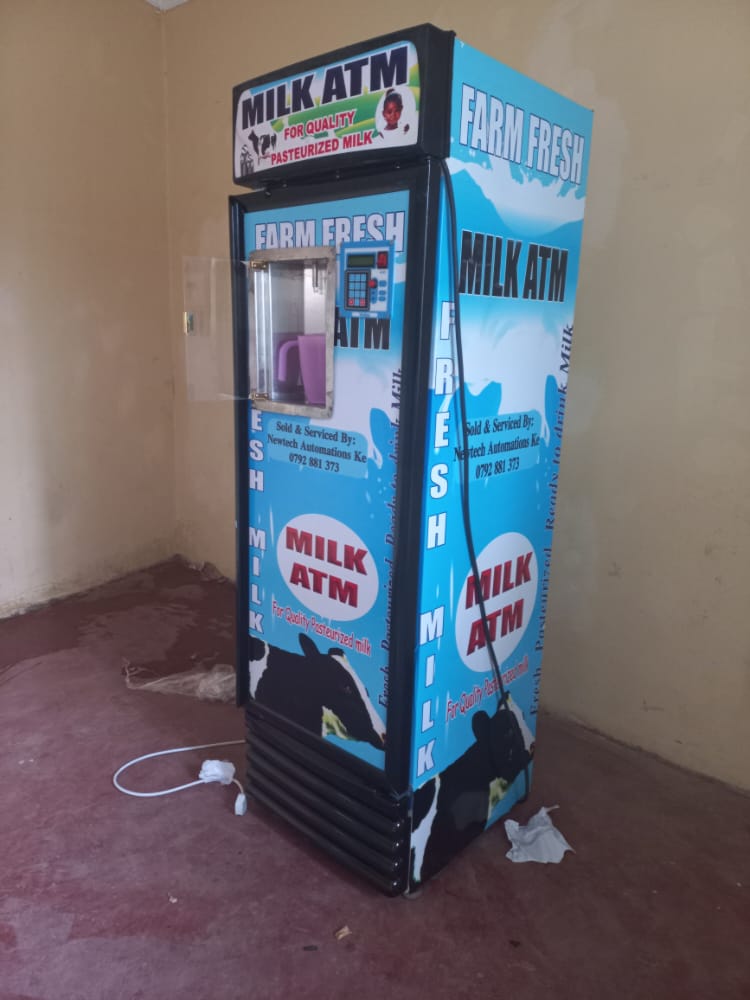 Understanding and meeting milk ATM licensing requirements in Kenya is essential for anyone serious about operating in the dairy sector. Kenya Dairy Board regulations exist to protect consumers and ensure long-term industry stability, and compliant operators benefit the most.
By using KDB approved milk ATMs, sourcing milk responsibly, maintaining hygiene, and renewing licenses on time, entrepreneurs can operate confidently across Kenya. Compliance reduces risk, builds trust, and unlocks opportunities for growth that informal operations can never achieve.
Ready to revolutionize your dairy business? Contact Us Today To Order Your Milk ATM Machine
If you are in the market for a high-quality milk dispensing machine no need to look any further. Contact us today to order your milk vending machine or to make inquiries. We offer high-quality, affordable, and reliable milk ATM machines that can help you increase efficiency, profitability, and customer satisfaction.
Get in touch with us now and take the first step toward boosting your dairy business!
To order, use any of the following means:
- Phone Call: +254 715 01 45 10
- WhatsApp: +254 715 01 45 10
- Email: gditech2019@gmail.com, info@gditech.co.ke
- Fill out our Contact Us Form.
Visit Our Branches
Visit our branches located in:
- Ruiru Branch:Find us Next to Total Petrol Station- Kihunguro, Ruiru Kenya – Thika Road, where our dedicated team is ready to assist you.
- Eldoret Branch:Visit our Eldoret branch us at Rehema Complex, opposite Japara Ltd., along Oloo Street in Eldoret. Our branch staff will provide you with personalized guidance and support.
Frequently Asked Questions (FAQs) About Milk ATM Licensing Requirements in Kenya
- Do I need a Kenya Dairy Board license to operate a milk ATM?
All milk ATM operators must be licensed by the Kenya Dairy Board. - What permits are needed to operate milk vending machines in Kenya?
You need a business permit, public health certificate, and a KDB license. - What are KDB approved milk ATMs?
These are machines that meet Kenya Dairy Board and KEBS standards for dairy safety. - Can I operate a milk ATM without KEBS certification?
KEBS certification is essential for machine compliance and licensing. - How often are milk ATM businesses inspected?
Inspections are periodic and may be unannounced, especially in high-traffic areas. - Does milk source affect licensing approval?
Milk must come from licensed and approved suppliers. - Are Gditech milk ATMs compliant with Kenya Dairy Board requirements?
Gditech milk ATMs are widely used by operators seeking regulatory compliance.
| Notice:Gditech is a market leader in the automation and fabrication industry in Kenya. We expert in the manufacturing of reverse osmosis water purifiers also known as RO systems, cooking oil ATMs also known as salad ATMs, milk dispensers also known as milk ATMs, water refilling stations, cabinet water vending machines, commercial water purifiers, mama pima cooking oil dispensers, school reverse osmosis water purifiers, pasteurizers and milk chillers. You can also visit our shop page to see all products and their prices. |


