
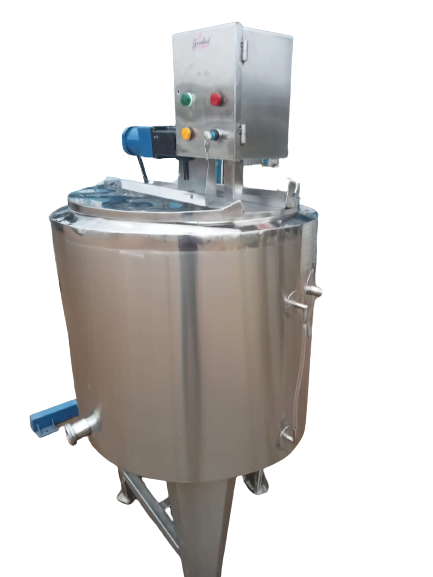
Cost of Milk Pasteurizers in Kenya: Complete Buyer’s Guide for Dairy Entrepreneurs
Kenya’s dairy sector continues to grow rapidly, driven by rising milk consumption, increasing demand for value-added dairy products, and stricter regulatory requirements. For entrepreneurs entering the dairy market—or scaling their existing operations—one of the most important investments is a milk pasteurizer. Understanding the cost of milk pasteurizers in Kenya helps business owners plan effectively, choose the right equipment capacity, and ensure they meet Kenya Dairy Board (KDB) standards.
 But beyond the price, entrepreneurs must consider quality, supplier reliability, long-term operating costs, and the intended business model. This comprehensive guide goes beyond basic pricing. It explores what determines the cost, how pasteurizers work, their economic benefits, and why choosing a trusted supplier can influence your equipment’s reliability, safety, and lifespan. If you’ve been searching for a high-quality milk pasteurizer in Kenya or trying to determine where to buy a milk pasteurizer in Kenya, this guide will help you make an informed decision.
What Is the Current Cost of Milk Pasteurizers in Kenya?
Pasteurizers come in different capacities, technologies, and configurations. Today, the cost of milk pasteurizers in Kenya ranges widely depending on the machine size and build quality. Below is an updated price overview:
Capacity (Liters) | Approximate Cost (Ksh) | Supplier |
| 100L | 150,000 – 199,000 | Gditech / Vinsol |
| 200L | 200,000 – 250,000 | Gditech/ Vinsol |
| 300L | 275,000 – 300,000 | Gditech / Vinsol |
| 500L | 350,000 – 500,000 | Gditech / Vinsol |
 These are standard price ranges for local manufacturers using food-grade stainless steel and industry-approved electrical components. Prices may vary if a client requests:
- Custom automation
- Digital controls
- Gas-powered heating
- Dual-purpose yogurt + milk systems
- Additional insulation
- Faster heating cycles
Understanding why prices vary helps buyers avoid overpriced units or low-quality imports that could lead to contamination or operational breakdowns.
What Determines the Cost of Milk Pasteurizers in Kenya?
Before settling on a specific machine, it’s important to understand what determines the cost of milk pasteurizers in Kenya, because equipment quality directly affects safety, energy consumption, and long-term profitability.
1. Capacity and Production Scale
Capacity remains the biggest price determinant. Your daily milk intake, customer demand, and long-term scaling plans dictate the appropriate size.
- 50–150L units: Best for small milk bars, home-based dairy processing, or startup yogurt producers.
- 200–300L units: Suitable for SME dairy processing, mini dairies, and local distribution businesses.
- 500L+ units: Ideal for commercial processors, schools, cooperative societies, and large milk plants.
Buying a pasteurizer too small can limit business growth, while buying one too large increases operating costs unnecessarily. Choosing the right capacity ensures you maximize efficiency and minimize energy waste.
2. Build Quality and Material Used
 Most reputable manufacturers use food-grade 304 stainless steel, which is the global dairy industry standard. This material:
- Prevents corrosion
- Ensures easy cleaning
- Does not react with milk
- Maintains hygiene and product safety
Cheaper pasteurizers made with lower-grade steel may reduce initial cost but introduce contamination risks, higher maintenance expenses, and shorter lifespan.
3. Heating System & Technology
Kenyan pasteurizers use:
- Electric heating (most common)
- Gas heating (for areas with unreliable electricity)
- Hybrid (electric + gas) for flexibility
Electric models offer precision and safety, while gas models reduce operating cost where electricity tariffs are high. Hybrid systems cost more upfront but offer operational reliability.
Advanced features such as double-jacket heating, PID temperature control, and automatic shutoff also influence pricing but improve safety and consistency.
4. Pasteurizer Design and Additional Features
Modern dairy businesses look for efficient, multi-purpose pasteurizers. Features that increase the machine price include:
- Digital temperature calibration
- Fully insulated walls for heat retention
- Agitation motors for even heating
- Programmable heating cycles
- Cooling sections
- Safety sensors
- Stronger heating elements
Though these features may raise the price slightly, they significantly improve consistency, product safety, and speed.
5. Supplier Reputation and After-Sale Support
When evaluating how much pasteurizers cost in Kenya, the supplier’s reputation matters just as much as the build quality. A reliable supplier ensures:
- Proper installation
- Warranty coverage
- Access to spare parts
- On-site technician support
- Training for your staff
This after-sale ecosystem helps prevent downtime that could otherwise result in milk spoilage and revenue loss.
Why Milk Pasteurizers Are Essential for Modern Dairy Businesses
Even more important than understanding the cost of milk pasteurizers in Kenya is understanding why every dairy entrepreneur should own one. Beyond regulatory compliance, pasteurization has strong business, safety, and profit advantages.
1. Compliance with KDB Regulations
The Kenya Dairy Board requires all milk destined for sale to the public to be pasteurized. Owning your own pasteurizer:
- Prevents legal penalties
- Demonstrates professionalism
- Unlocks access to retail outlets and supermarkets
- Ensures consumer safety
Compliance alone justifies the investment for any serious processor.
2. Increased Shelf Life and Reduced Spoilage
Unpasteurized milk spoils fast, especially in hot climates. A pasteurizer destroys harmful bacteria and enzymes, extending shelf life by several days.
This reduction in spoilage is a direct boost to profitability, especially for businesses transporting milk over distances or selling to resellers.
3. Higher Profit Margins Through Value Addition
Pasteurizers allow producers to diversify into value-added dairy products such as:
- Yogurt (plain & flavoured)
- Mala (fermented milk)
- Cream
- Flavoured milk drinks
- Processed milk
- Ice cream base
Raw milk may sell for as low as Ksh 35 per liter, while pasteurized milk sells for about Ksh 70 per liter—almost triple the margin.
For yogurt, profit margins can exceed 100%, making the pasteurizer one of the most profitable dairy investments.
4. Improved Quality and Consumer Trust
Consumers today are more informed and health-conscious. Pasteurized milk:
- Tastes better
- Is safer
- Stores well
- Meets certification standards
High-quality pasteurization positions your brand as safe, clean, and premium—leading to better customer loyalty.
5. Multi-Functionality for Small and Large Dairies
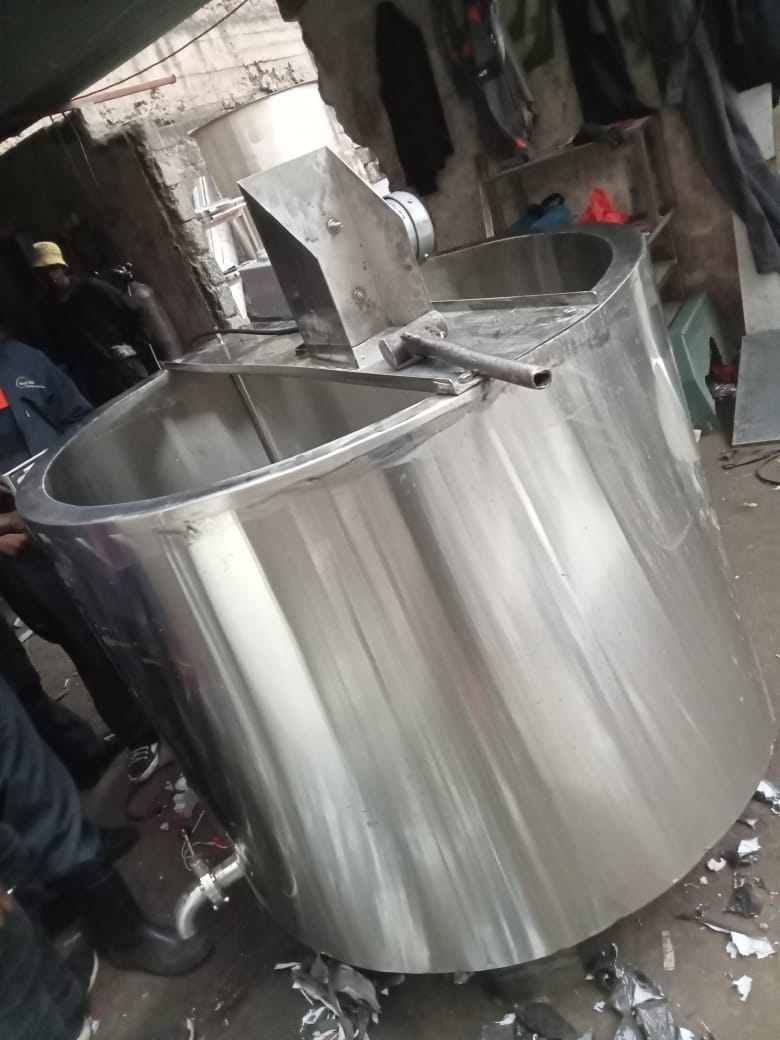 A well-designed pasteurizer is not just a milk heating machine; it is a complete dairy processing unit. The same equipment can be used for:
- Pasteurizing raw milk
- Heating milk for yogurt
- Preparing mala
- Cleaning and sanitizing milk
- Temperature control for cream production
This multi-purpose nature makes it a cost-effective investment.
Where to Buy a Milk Pasteurizer in Kenya
If you’re searching for where to buy a milk pasteurizer in Kenya, Gditech stands out as one of the top dairy equipment manufacturers offering high-quality milk pasteurizers built to Kenyan and international dairy standards.
Below is a detailed overview of why they are considered among the most reliable suppliers in the country.
Why Gditech Supplies Some of the Best High-Quality Milk Pasteurizers in Kenya
1. Licensed and Registered Dairy Equipment Manufacturer
Gditech is a fully registered and licensed dairy equipment manufacturer in Kenya. Their workshop in Ruiru is equipped with professional-grade tools and staffed by skilled engineers, welders, and food equipment specialists.
2. Strong After-Sale Support
Each buyer is assigned a dedicated dairy technician for:
- Installation
- Calibration
- Training
- Regular maintenance
- Emergency support
This reduces downtime and ensures your pasteurizer serves you for many years.
3. Superior Engineering and Build Quality
Gditech machines are built using:
- Genuine, certified stainless steel
- Heavy-duty agitation motors
- Premium heating elements
- Food-grade materials
Their focus on structural integrity ensures long lifespan and consistent performance.
4. Efficient Project Delivery
Gditech invests in:
- Skilled manpower
- A well-equipped workshop
- Streamlined manufacturing processes
This allows them to deliver custom and standard pasteurizers on time without compromising workmanship.
5. Options for All Business Sizes
Whether you’re running a home-based yogurt production unit or a large-scale milk plant, Gditech manufactures equipment for:
- Small startups (50–100L)
- Growing SMEs (150–300L)
- Commercial processors (500L and above)
This flexibility helps businesses scale confidently without switching suppliers.
Contact Gditech – Trusted Supplier of High-Quality Pasteurizers in Kenya
If you’re ready to invest in a reliable pasteurizer or would like expert guidance before buying, reach out to Gditech through any of the channels below:
- Phone: +254 715 01 45 10
- WhatsApp: +254 715 01 45 10
- Email: gditech2019@gmail.com / info@gditech.co.ke
- Contact Form: Available on the contact us page
- Comment Section: Reach out for personalized support
Visit Gditech Branches
Ruiru Branch: Next to Total Petrol Station – Kihunguro, Thika Road, Ruiru.
Eldoret Branch: Rehema Complex, opposite Japara Ltd, Oloo Street, Eldoret.
We offer personalized assistance to help you select the right pasteurizer for your current and future needs.


